Could It Be Lyme Disease?

Lyme Disease is an increasingly-common bacterial infection transmitted by ticks with a wide variety of symptoms. When an infection occurs, it’s important to treat it with antibiotics as soon as possible.

Scroll to learn about Lyme.

It Starts with a Tick Bite

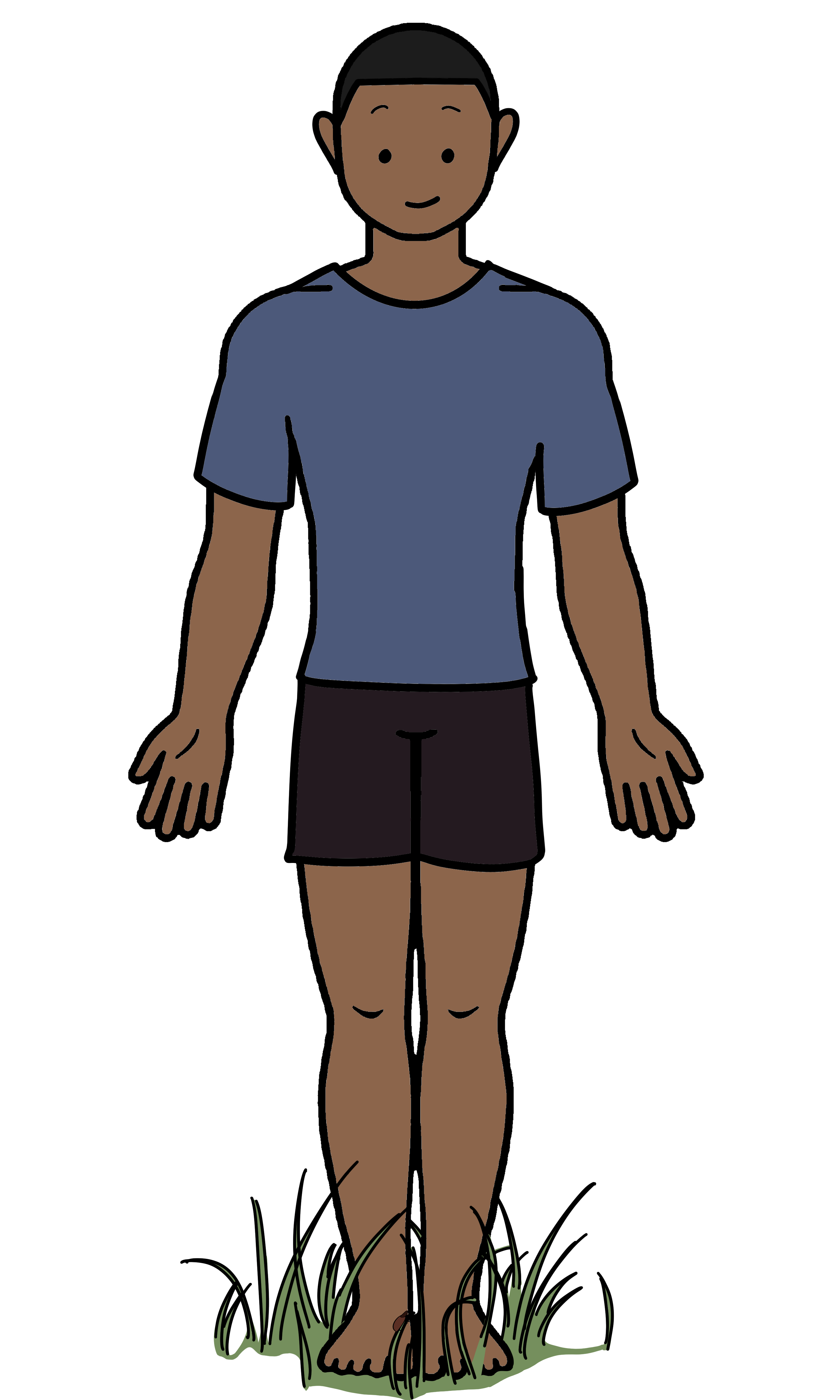
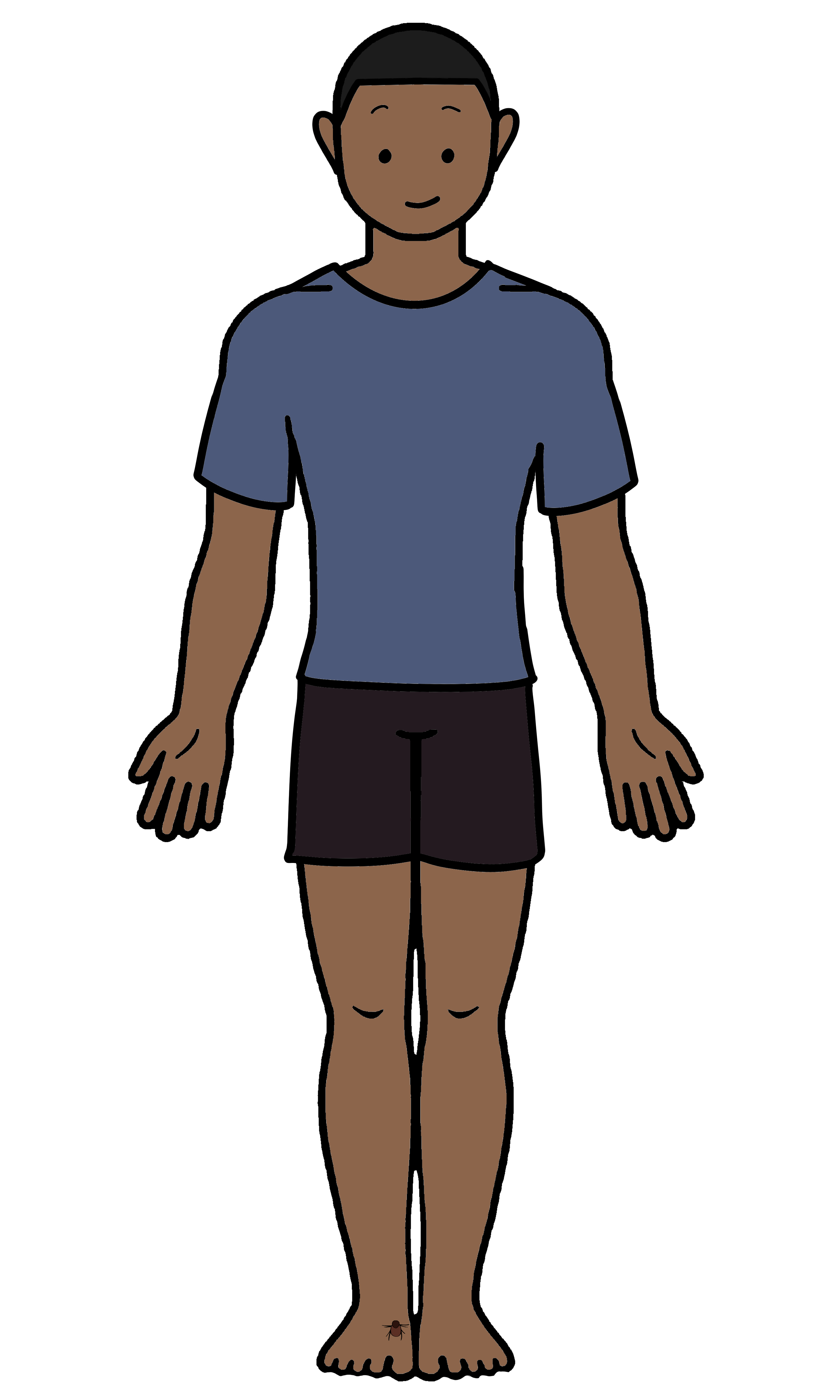
  • Especially during summer and fall months, tick bites are common.
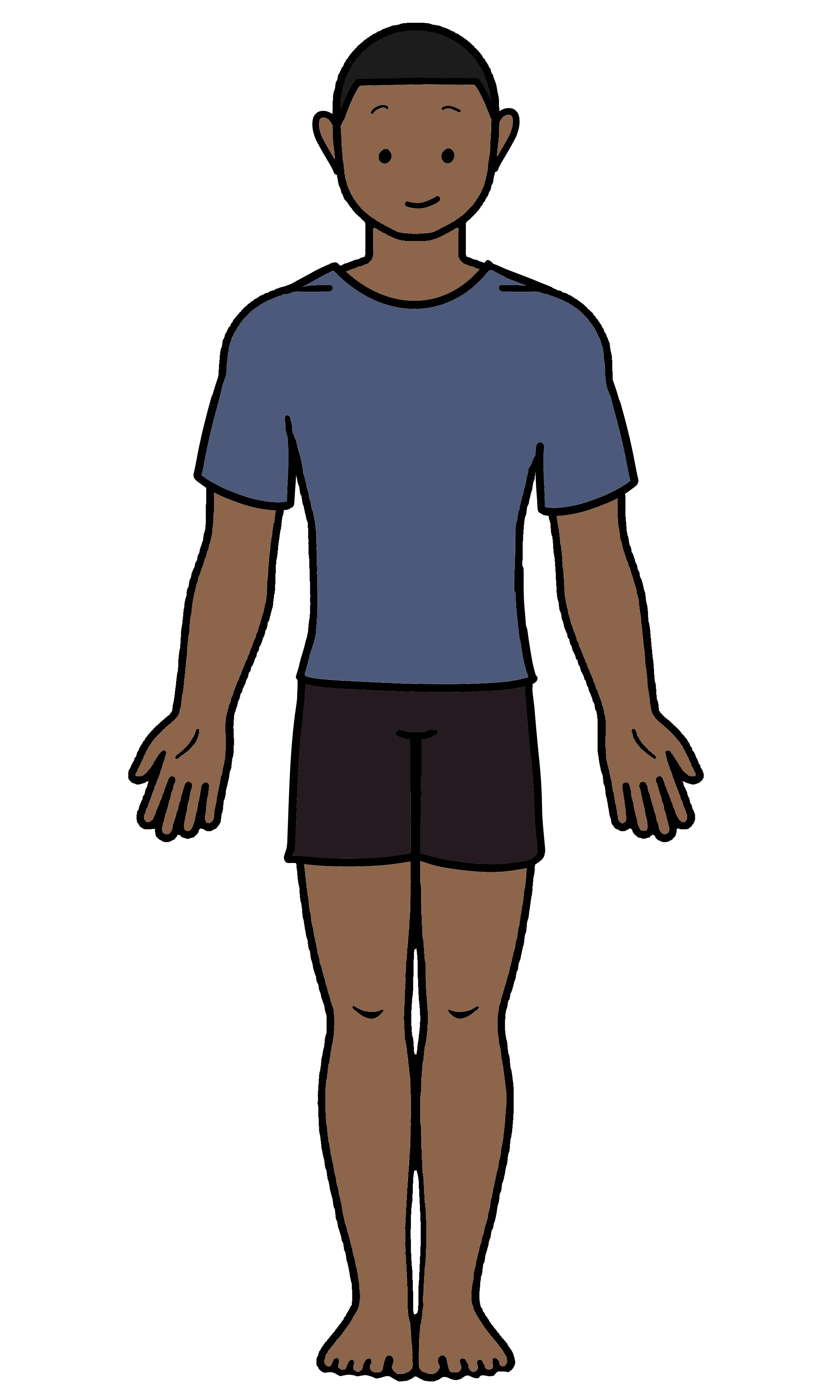
    • In and around your hair
    • Under the arms
    • In your belly button or groin area
    • Around your wrists
    • Between your legs
    • On your ankles and feet
  • If you find a tick latched into skin, grip as close to the skin as possible, and pull steadily until the tick is removed. At this point, you may want to test the tick for lyme disease.
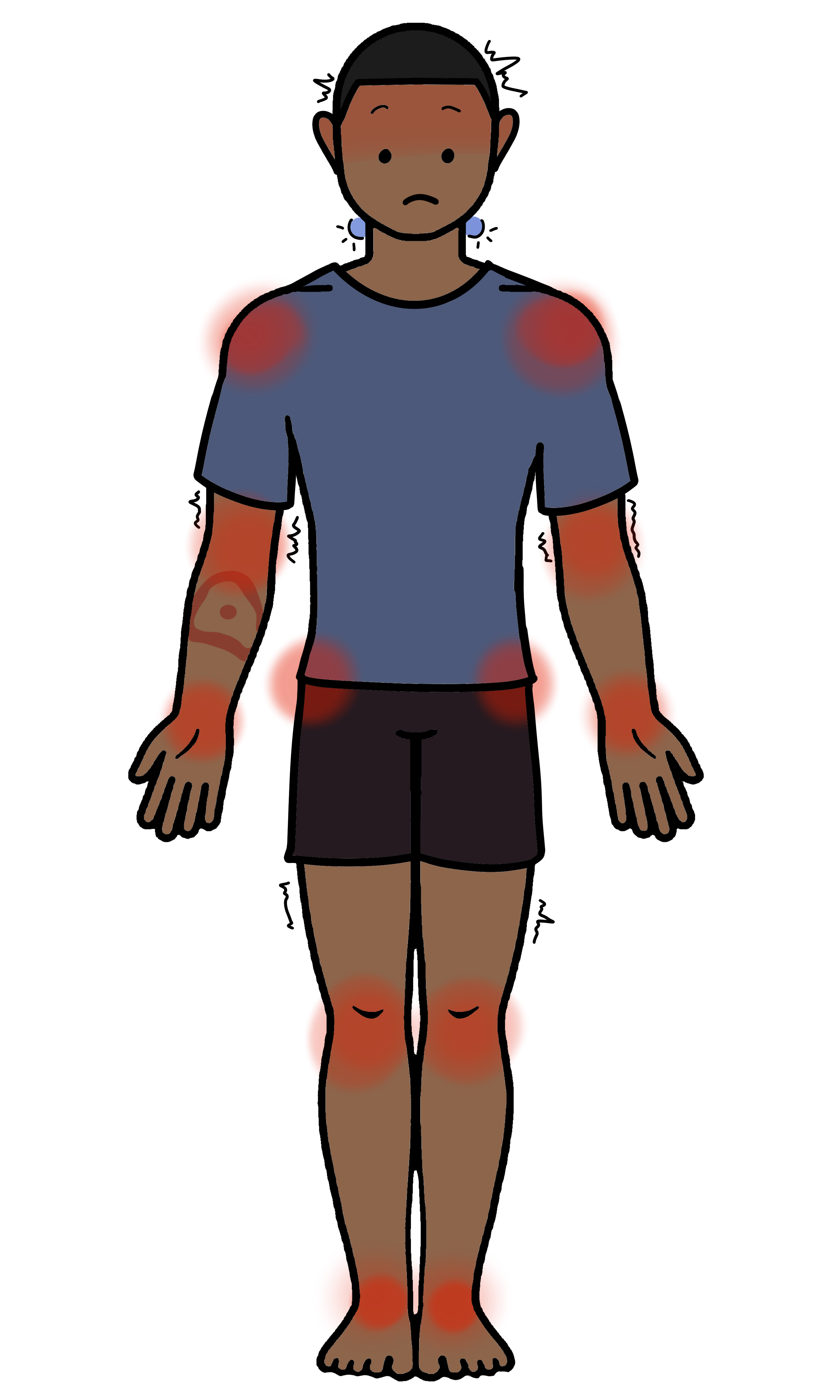
  • Following a tick bite, symptoms may appear in the coming days to weeks, and may include:
    • Fever and chills
    • Bulls-eye rash
    • Headaches
    • Joint and muscle aches
    • Swollen lymph nodes
  • Lyme symptoms overlap with many conditions - it's crucial to provide your doctor with as much exposure and symptom information as possible.
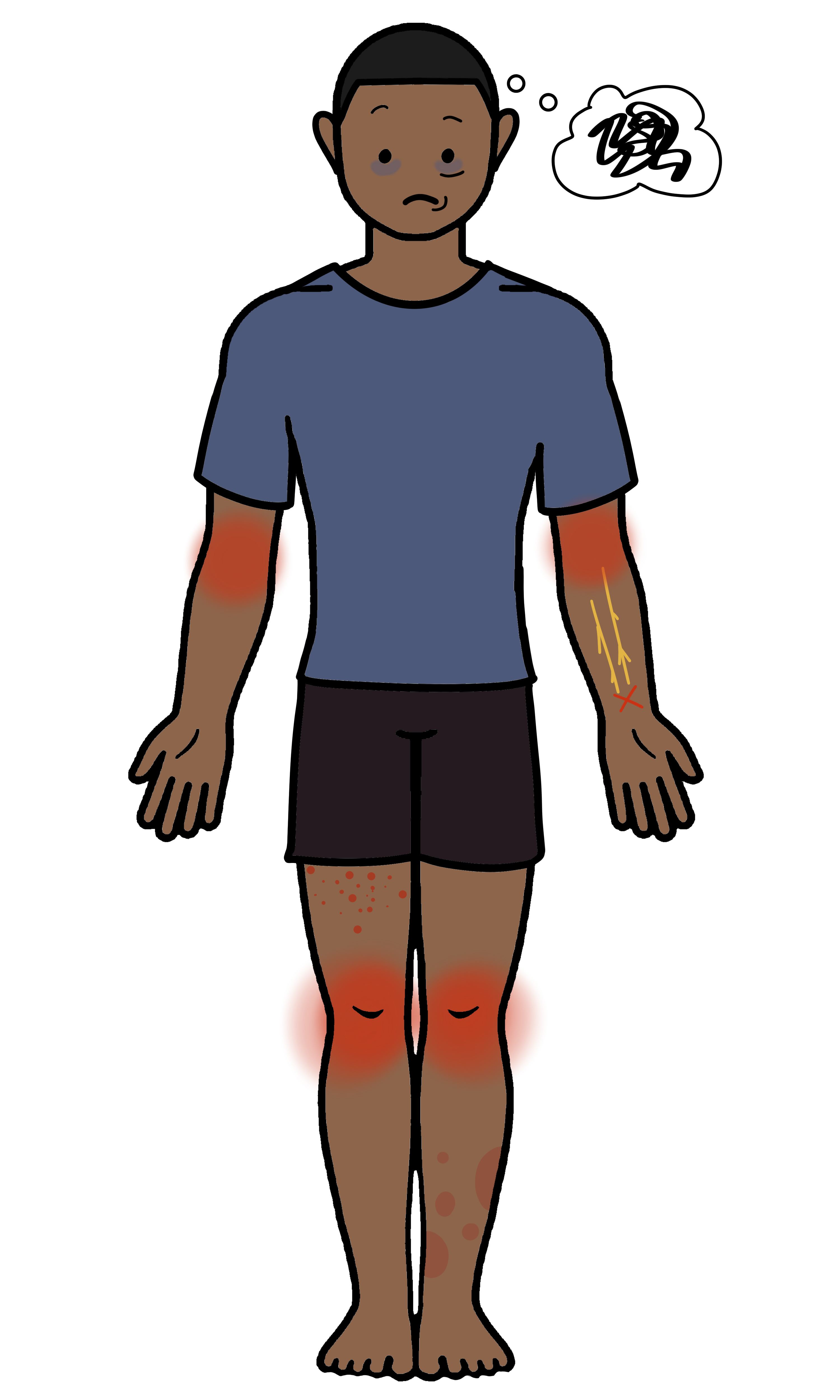
  • Long Lyme is a serious condition. Left untreated, an infection can spread and many symptoms may develop:
    • Arthritis, especially in knees
    • Muscle weakness
    • Facial palsy
    • Brain fog
    • Nerve damage
    • Other rashes
  • These symptoms may last for years, and are not well-understood, so it's important to talk to your doctor if you suspect their onset.

What do I do if I've found a tick?

Removing the tick properly is very important; infection may occur with improper removal.

Grip the tick with a pair of tweezers as close to the skin as possible, and pull steadily. It may take a few moments.

After tick removal, place it inside a plastic bag, or other sealed container. You may want to test the tick to see if it is carrying Lyme disease.

Knowing if the tick is carrying Lyme disease is important.

With or without the tick, it's important to bring the list of symptoms to your doctor, so they can properly assess your condition.

It can be difficult to narrow down symptoms to being caused by Lyme disease, so provide your doctor with as much information as possible.
Lyme in the U.S.

Move your cursor over the area of interest

Think It Might Be Lyme?

If you suspect you might have Lyme disease, answer these questions to assemble some clues. Bringing them to your doctor may help in reaching an accurate diagnosis.

Where have you spent time in the past 30 days?

Which states have you spent time in?

What types of places did you spend time in?

Did you notice a tick attached to your skin?

Did you know? The percentage of ticks that are infected ranges from none to over 50%, depending on the area and life stage.

If you saw a tick, approximately how long was it attached?

Have you noticed a rash?

When did your symptoms begin?

If you have developed symptoms, select the ones you are experiencing

Which joint (if any) is most effected?

Have your symptoms changed over time?

Have you already received antibiotics for this illness?

Have you been diagnosed with any of these diseases recently?

Information to Share with Your Healthcare Provider

Based on your responses, consider discussing the following:

Exposure History

    Symptoms

      Timeline

        Other Recent Illnesses

          Based on my recent travel or outdoor exposure and the symptoms I've experienced, I am concerned that Lyme disease may be a possible explanation and would like to be evaluated.

          Make sure to take a screenshot of these results! They may be useful in determining if you have contracted Lyme Disease

          References

          A tick can hide in tall grass and latch on without you ever feeling it.